
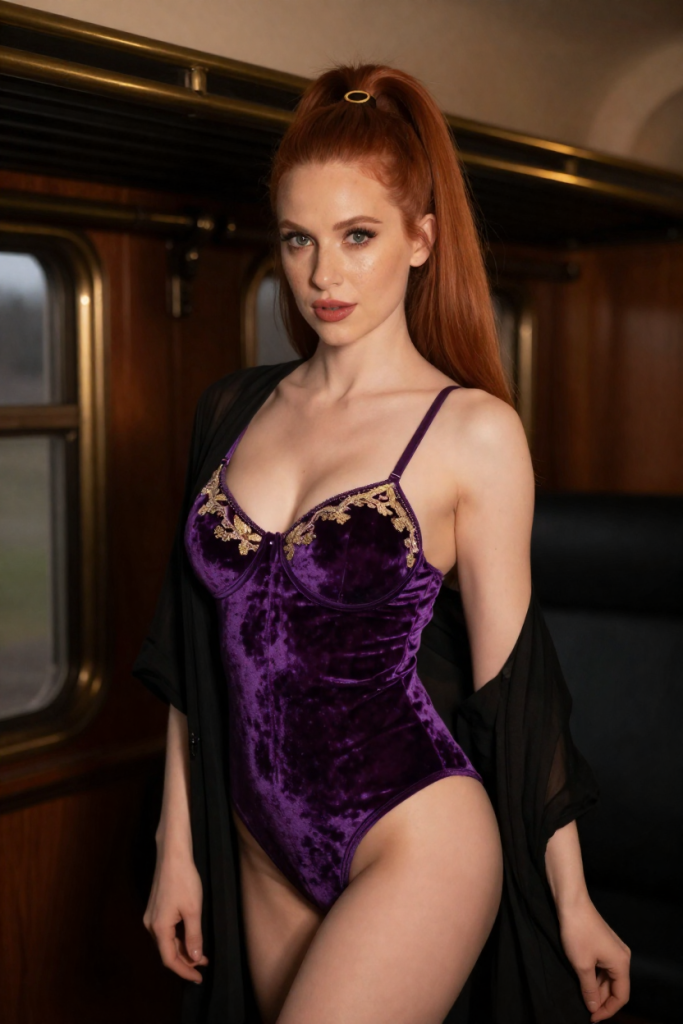
Every maker keeps frames they should have culled, because the only reading applied was a feeling. Feelings are generous after an hour of generating. A small, fixed set of checks is stricter and faster: five points, read the same way every time, against the survey you fixed before the session began. It takes under a minute a frame, and it is the difference between a chart of keepers and a folder of maybes.
The five checks
1. Consistency. Is she the surveyed character — same hair, same face, same signature — or a near relative? Read against the card, not against the previous frame, because drift compounds quietly when each frame is only compared with its neighbour.
2. Anatomy. Hands first, then joints, then anything the pose bends. A frame can survive soft detail; it cannot survive anatomy the eye trips over at thumbnail size.
3. Light. One source, behaving consistently across skin, fabric and background. Light that disagrees with itself is the most common reason a strong frame feels vaguely wrong.
4. Edges. Hair against background, fingers against props, lace against skin. Clean edges are what let a frame sit beside others in a set without announcing how it was made.
5. Intent. Does the frame do the one job it was briefed for — the cover, the teaser, the quiet filler? A beautiful frame that does the wrong job scores low here, and rightly.
The threshold that saves money
Score each check out of two: fails, passes, strong. A frame needs eight of ten to earn finishing spend — an edit at 21 credits, a swap at 26, an upscale at 61. Below eight, the frame goes back to the generator at the 6-credit standard cost, where correction is cheapest. The checks are not about being harsh; they are about spending the expensive credits only where the reading already holds. Keep the scores with the set, dated. A month later they will tell you which of your habits actually improved — charted, not remembered. Makers who read honestly for a single month usually find the pattern quickly: one check, most often light or edges, accounts for nearly every culled frame, and fixing that one habit lifts the whole chart more than any new setting ever will.